 MistyCurves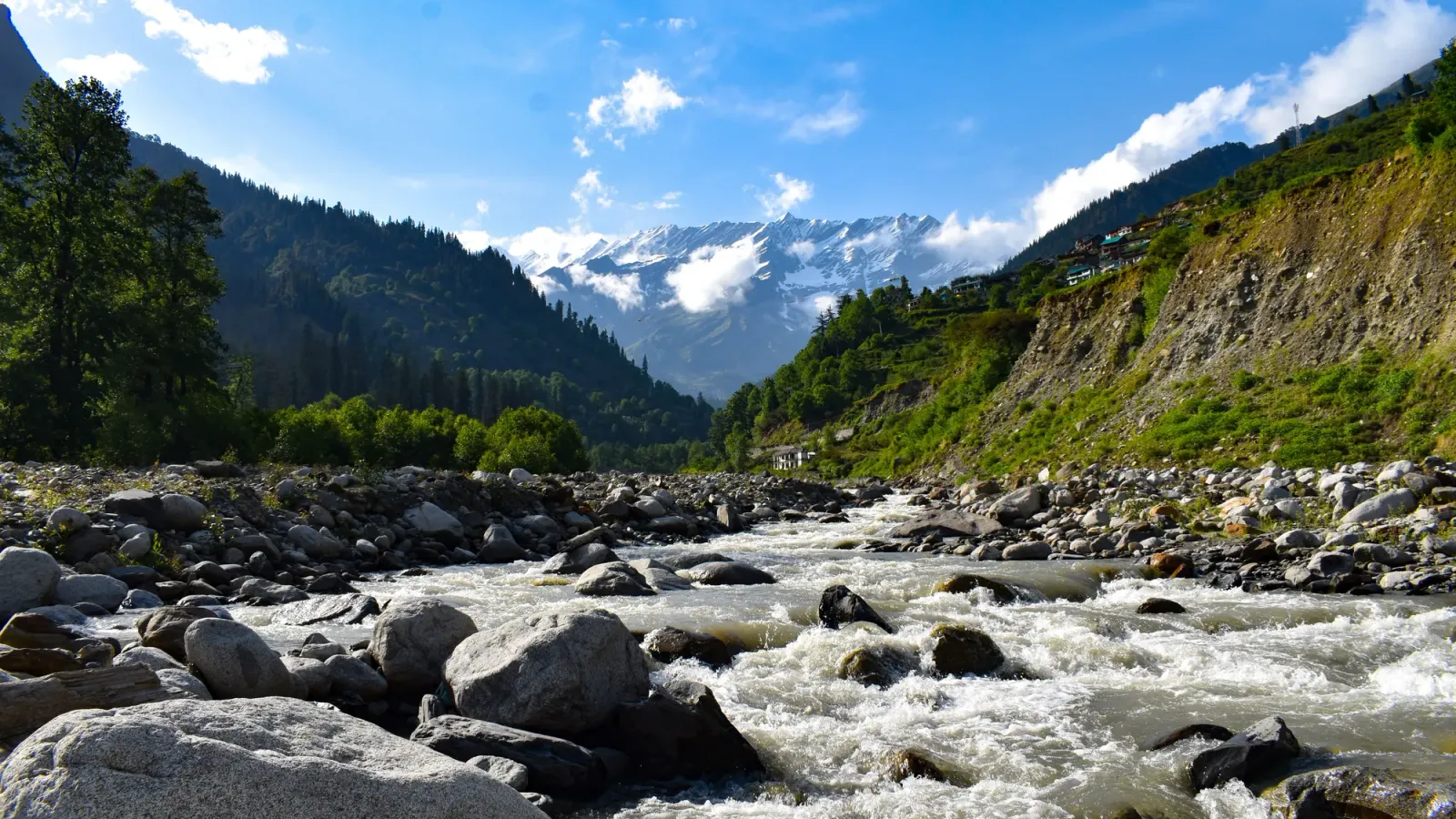
Picking the wrong month for Manali is the most common planning mistake we see. Come in early May without checking Rohtang Pass permit availability, and you'll join a 3-hour queue for a day trip. Come in late October expecting trekking, and most operators will have closed for the season. Manali sits at 2,050 meters in Kullu district — high enough that each season operates on completely different terms for roads, activities, and what's actually open. This guide breaks down those terms month by month, so you can book dates that match what you actually want to do.
1. Summer Season (March to June): Pleasant Climate & Adventure Activities
Summer is the primary travel season in Manali, with daytime temperatures hovering comfortably between 10°C and 25°C. This period offers relief from the heat of the northern plains, making it popular for families, couples, and outdoor enthusiasts.
During May and June, adventure hubs like Solang Valley operate at full capacity, offering paragliding, zorbing, and cable car rides. White-water rafting along the Beas River stretch between Kullu and Jhiri is also active, operating under state tourism safety regulations.
Road access to Rohtang Pass (3,978 meters) usually reopens by mid-to-late May after clearing by the Border Roads Organisation (BRO). Note that visiting Rohtang Pass requires an official online Green Permit issued by the Himachal Pradesh Transport Department. Daily vehicle limits are enforced to manage congestion and environmental impact, so permits should be applied for several days in advance. Travelers looking for a tailored summer itinerary can explore our Heaven Himachal Tour.
Summer offers optimal weather for outdoor sightseeing in Manali, though early permit planning is necessary for high-altitude passes like Rohtang.
2. Monsoon Season (July to August): Rainfall & Travel Precautions
The Southwest Monsoon brings moderate to heavy rainfall to the Kullu Valley between July and August. Temperatures range from 15°C to 24°C. While rain enhances the lush green cover of the valley, it introduces specific travel risks.
Heavy downpours can cause localized landslides and rockfalls along the main access highways, particularly National Highway 21 (NH-21) connecting Chandigarh, Mandi, and Kullu. River rafting and high-altitude trekking are suspended during heavy rainfall for safety reasons.
For travelers visiting during the monsoon, we advise maintaining flexible itineraries with 1 or 2 buffer days, monitoring real-time road updates from Himachal Pradesh Public Works Department (HP PWD), and choosing hotels with reliable backup power. Off-peak room rates drop by 30% to 50% during these months.
3. Autumn Season (September to November): Clear Skies & Apple Harvest
Autumn is widely favored by trekkers and photographers due to stable weather and exceptionally clear mountain views. Daytime temperatures drop to between 5°C and 20°C, with crisp, dry air.
September coincides with the apple harvesting season across Kullu and Manali orchards. Travelers can observe local harvest activities along rural routes near Naggar and Hallan Valley.
In October, the region hosts the historic Kullu Dussehra festival at Dhalpur Maidan in Kullu (40 km south of Manali). Unlike celebrations elsewhere in India, this week-long festival features a assembly of over 200 village deities brought in traditional wooden palanquins. Autumn is also the ideal window for trekking routes like the Beas Kund trek or Hampta Pass before winter snow accumulation.
4. Winter Season (December to February): Snowfall & Winter Sports
By December, temperatures in Manali drop below freezing, typically ranging from -5°C to 10°C. Snowfall generally occurs between mid-December and early February, turning higher elevations and Old Manali into snow-covered terrain.
Solang Valley shifts to winter sports, providing commercial skiing and snowboarding under local instructors. Thanks to the 9.02 km Atal Tunnel at Rohtang (3,058m elevation), travelers can drive into the high-altitude Lahaul Valley (Sissu) even during deep winter, provided road conditions remain clear of ice.
For winter travel, heavy thermal layering, waterproof outerwear, and insulated snow boots are mandatory. Drivers without experience on icy mountain roads should rely on local 4x4 vehicles, as black ice on the Solang-Palchan stretch can be hazardous. For custom winter packages, see our Himachal Glory Tour.
Winter travel to Manali offers snow activities and access to Lahaul via Atal Tunnel, but requires proper thermal gear and 4x4 transport on icy routes.
5. Month-by-Month Temperature & Conditions Reference
• January (-5°C to 7°C): Heavy snow risk; skiing active at Solang; sub-zero nights.
• February (-3°C to 9°C): Snow present in upper reaches; lower tourist volume.
• March (2°C to 15°C): Snow melting; pleasant daytime walking weather.
• April (7°C to 20°C): Spring bloom; clear roads; comfortable for sightseeing.
• May (10°C to 25°C): Peak tourist inflow; Solang activities fully open; Rohtang permits required.
• June (12°C to 26°C): Warmest month; ideal for river rafting and high-altitude treks.
• July (15°C to 24°C): Monsoon onset; green landscape; check road safety status.
• August (14°C to 23°C): Active monsoons; water sports closed; discounted hotel rates.
• September (10°C to 21°C): Clear skies; harvest season; excellent trek conditions.
• October (5°C to 18°C): Autumn climate; Kullu Dussehra festival; crisp air.
• November (0°C to 13°C): Pre-winter chill; low crowd numbers; clear mountain views.
• December (-4°C to 8°C): Snowfall probability rises; holiday rush around Christmas and New Year.
6. Practical Transport & Travel Logistics
How to Reach: Overnight AC Volvo bus services operate daily from New Delhi (ISBT Kashmiri Gate) and Chandigarh, taking approximately 12 to 14 hours. The nearest airport is Kullu-Bhuntar Airport (KUU), located 50 km south of Manali, with direct flights from Delhi and Chandigarh subject to weather conditions.
Local Connectivity & Cash: National telecom operators (Jio, Airtel, Vi) provide 4G/5G coverage in Manali town and Solang. ATMs are widely available along Mall Road and Old Manali, but carrying a basic cash reserve is advisable when traveling toward Atal Tunnel or remote villages.
Planning a trip to Himachal? Explore MistyCurves' curated Himachal Tour Packages for detailed itineraries and private transport options.