
Kashmir has enchanted travelers, poets, and emperors for centuries with its pristine alpine meadows, clear rivers, and snow-draped mountain ranges. Often described as 'Paradise on Earth' by the Mughal Emperor Jahangir, the Kashmir Valley offers a sensory overload of blooming tulip gardens, ancient cedar forests, and the towering peaks of the Pir Panjal range. However, planning a trip here requires more than just booking a flight. To truly experience the magic of Kashmir, one must understand the intricate local transport guidelines, the nuances of navigating permit zones, and the deeply rooted cultural traditions of the valley. This comprehensive guide covers everything from luxury houseboat stays in Srinagar to backcountry skiing in Gulmarg, ensuring your journey to paradise is absolutely flawless.
Srinagar: The Waterway Hub
Your Kashmiri journey will inevitably begin in Srinagar, the historic summer capital situated on the banks of the Jhelum River. Srinagar is a city defined by its relationship with water and gardens. The city is famous for its terraced Mughal gardens—Shalimar Bagh, Nishat Bagh, and Chashme Shahi—built by Mughal emperors seeking royal leisure away from the blazing heat of the Indian plains. Walking through these gardens in the spring, when the terraced lawns are ablaze with blooming tulips, daffodils, and chinars turning vibrant shades of green, is a mesmerizing experience.
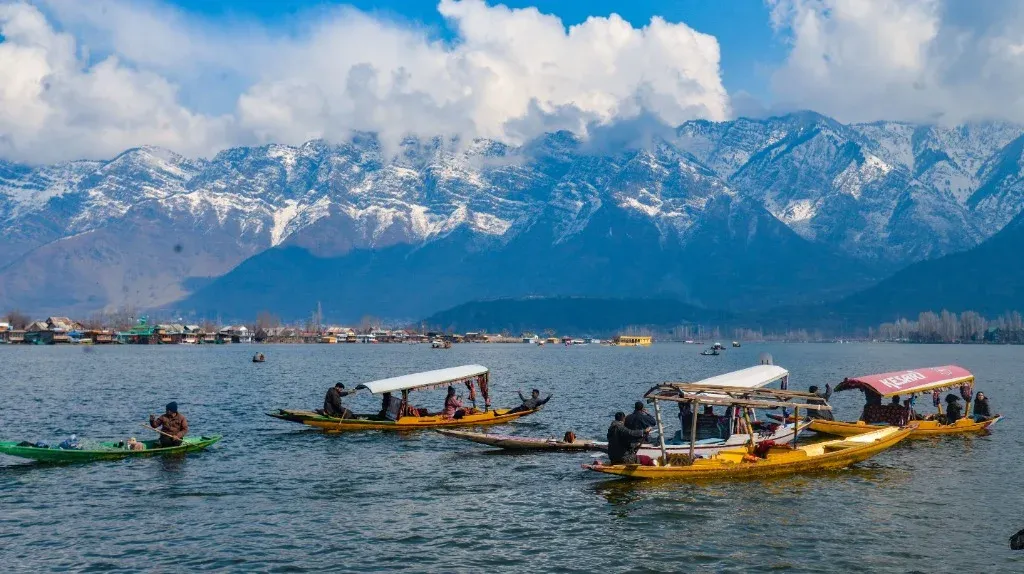
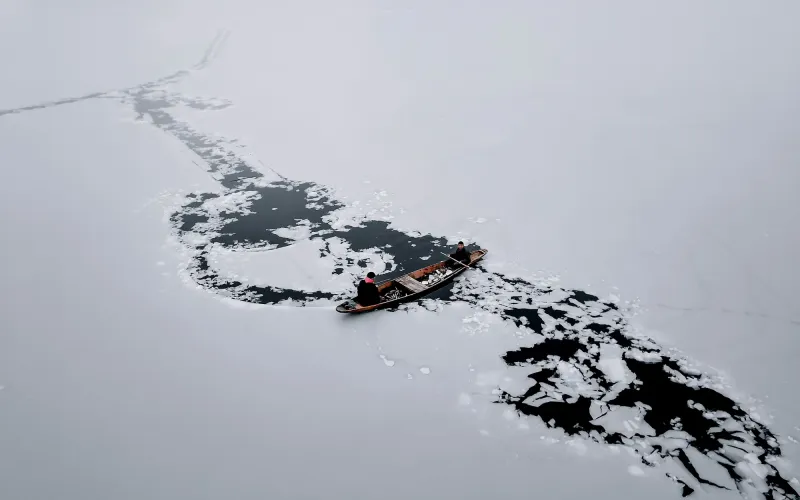
A Shikara ride on Dal Lake is an absolute necessity, but to experience its true charm, wake up before dawn. Gliding past floating gardens in the early morning mist to visit the floating vegetable market is a surreal experience. Here, local farmers gather in their wooden boats to trade fresh produce grown on the lake's fertile waters, creating a lively, floating bazaar of color and commerce. Later in the day, the lake transforms into a bustling avenue where mobile vendors paddle up to your shikara offering everything from saffron and papier-mâché artifacts to hot Kashmiri barbecue.
We strongly recommend spending at least one night in a traditional cedarwood houseboat on Nigeen Lake rather than the busier Dal Lake. Nigeen offers a much quieter, peaceful lodging experience, making it ideal for watching misty sunrises and golden sunsets in absolute silence. These houseboats are floating palaces, featuring intricately carved walnut wood furniture, hand-knotted Kashmiri carpets, and crystal chandeliers.
In the heart of the old city lies the Jamia Masjid, a spectacular wooden mosque supported by 378 pillars made of whole Himalayan cedar trees. The architecture here is distinctly Indo-Saracenic, resembling a massive wooden fort more than a traditional mosque. Just a short walk away is the bustling Maharaj Gunj market, the perfect place to shop for authentic pashmina shawls, copperware, and exotic spices like Kashmiri saffron.
Gulmarg: The Alpine Slopes
Known as the 'Meadow of Flowers', Gulmarg sits at an altitude of 2,650 meters and is perhaps the most famous resort town in Kashmir. The crown jewel of Gulmarg is the Gulmarg Gondola, one of the highest operating cable cars in the world. The gondola ascends in two phases, taking visitors from the pine-fringed valley floor all the way up to Apharwat Peak, at over 4,200 meters. The panoramic views from the top, encompassing the Pir Panjal range and occasionally the distant Nanga Parbat, are utterly magnificent.
During the summer, the valley transforms into a giant, rolling green golf course surrounded by tall pine trees and wildflowers. It is an ideal time for day hikes, pony rides to Khilanmarg, and enjoying picnic lunches by the frozen Alather Lake. The weather remains wonderfully cool, offering a perfect respite from the summer heat of the Indian plains.
In winter, Gulmarg undergoes a dramatic transformation into India's premier skiing destination, offering deep powder slopes that rival the Alps. It attracts skiers and snowboarders from all around the world. The upper slopes of Apharwat offer thrilling backcountry and off-piste skiing for experts, while the lower slopes are perfect for beginners looking to take their first lessons in the snow. Ensure you hire registered guides and agree on rates beforehand when renting ski equipment to avoid local scams.
Beyond the slopes, Gulmarg is home to the historic St. Mary's Church, a century-old Victorian stone church that looks like a painting when surrounded by heavy winter snow. Staying in Gulmarg during the winter requires booking luxury resorts well in advance, as the demand for heated rooms with views of the snow-capped mountains skyrockets from December to March.
Standing atop Apharwat Peak in Gulmarg, surrounded by an ocean of snow and silence, the soaring Himalayan peaks make you feel both incredibly small and deeply connected to nature.
Pahalgam: The Valley of Shepherds
Pahalgam is a peaceful, rustic valley carved by the fast-flowing Lidder River. While Gulmarg is known for its snow and luxury resorts, Pahalgam is the undisputed trekking capital of Kashmir. It serves as the starting point for major Himalayan treks, including the Kolahoi Glacier trek and the sacred Amarnath Yatra. The sound of the rushing river is a constant companion as you walk through the town's narrow, pine-scented lanes.
The nearby Betaab Valley, named after a famous 1980s Bollywood movie shot there, offers beautiful pine-covered lawns and crystal-clear streams. It is the perfect spot for family picnics and photography. Further up the mountain road lies Aru Valley, a quiet, pristine meadow that feels entirely disconnected from the modern world. Aru is the base camp for the Tarsar Marsar alpine lake trek, drawing serious hikers seeking solitude.
Baisaran Valley, often dubbed 'Mini Switzerland', is a sprawling green meadow surrounded by thick cedar forests, accessible via a steep pony ride from Pahalgam town. If you prefer walking, the hike up is physically demanding but incredibly rewarding, offering bird's-eye views of the Lidder Valley below.
For local transport, note a very strict and specific rule: Srinagar-registered taxis are not allowed to operate inside Pahalgam or Gulmarg for local sightseeing to protect local union jobs. You must hire local community union cabs for day trips to Aru and Betaab Valley. When booking with MistyCurves, our local agents manage all these union transfers seamlessly so you never have to haggle for rides.
Offbeat Jewels: Sonamarg and Yusmarg
For travelers who want to escape the popular tourist triangle of Srinagar-Gulmarg-Pahalgam, Kashmir offers incredible offbeat gems. Sonamarg, translating to the 'Meadow of Gold', is located along the rugged highway to Ladakh. It serves as the gateway to the massive Thajiwas Glacier. Here, clear glacial streams cut through flower-strewn meadows under towering slate cliffs. A short trek or pony ride brings you to the foot of the glacier, where you can play in the snow even in mid-summer.
Sonamarg is also the base camp for the legendary Great Lakes Trek, an arduous multi-day hike that crosses three high-altitude passes and visits seven pristine alpine lakes. Even if you are not doing the full trek, spending a night in Sonamarg to watch the stars over the jagged peaks of the Zoji La pass is a remarkable experience.
Yusmarg, located in the Badgam district, is a silent valley surrounded by thick pine forests and rolling green hills. Legend says Jesus once walked through this meadow, giving it the name Yusmarg (Meadow of Jesus). It remains largely untouched by commercial tourism, lacking the massive luxury hotels found in Gulmarg. This makes it the perfect spot for quiet walks, horse riding, and deep relaxation.
A popular short trek from Yusmarg takes you to the Doodh Ganga River, aptly named because the water crashes over the rocks with such force that it looks like flowing milk. Sitting by the river banks, surrounded by ancient pine trees and absolute silence, offers a meditative peace that defines the true essence of the Kashmir Valley.
The Culinary Delights of Kashmiri Wazwan
No guide to Kashmir is complete without diving into its rich culinary heritage. The centerpiece of Kashmiri food is the 'Wazwan', a multi-course royal feast that is traditionally served at weddings and special occasions. Prepared by master chefs called 'Wazas', the meal can consist of up to 36 courses, mostly featuring intricate lamb and chicken dishes cooked overnight in copper vessels.
Key dishes you must try include Rogan Josh (a fragrant, slow-cooked lamb curry), Gushtaba (spongy meatballs cooked in a rich, tangy yogurt gravy), and Rishta (meatballs in a fiery red saffron chili sauce). For vegetarians, Kashmir offers incredible delicacies like Nadru Yakhni (lotus stems cooked in yogurt) and Dum Aloo (baby potatoes slow-cooked in a rich spice blend).
To experience an authentic Wazwan without attending a wedding, book a table at Ahdoos or Mughal Darbar in Srinagar. These legendary restaurants have been serving traditional Kashmiri cuisine for decades.
Equally important is the tea culture. Kahwa, a traditional green tea brewed with saffron strands, cinnamon, cardamom, and crushed almonds, is served everywhere from luxury hotels to local street stalls. It is deeply warming and is the perfect antidote to the cold mountain air. In the mornings, locals pair their tea with traditional breads baked in underground tandoors, such as Girda or Tsot, bought fresh from the local Kandur (baker).
Practical Information: Permits, Security, and Connectivity
Traveling to Kashmir requires a bit of practical preparation regarding security and connectivity. Due to the geopolitical sensitivity of the region, you will notice a heavy military presence on the highways and in the cities. While this can initially seem intimidating to first-time visitors, tourists are highly respected, and the region is generally very safe for travelers. Always carry valid government ID (Aadhar Card, Passport) and keep printed copies handy, as you may need to show them at various checkpoints.
Prepaid mobile connections from other Indian states do not work in Jammu & Kashmir due to security regulations. Only postpaid connections (Airtel, Jio, BSNL) will have network coverage. If you only have a prepaid SIM, you can easily purchase a local prepaid tourist SIM upon arriving at the Srinagar airport by providing your ID and a passport-sized photograph.
When packing, prepare for unpredictable mountain weather. Even in the peak of summer (July-August), the evenings in Gulmarg and Pahalgam can be quite chilly, requiring a light jacket or shawl. If you are traveling in the winter, heavy thermal innerwear, waterproof boots, and insulated jackets are mandatory.
Lastly, respect the local culture. Kashmir is a conservative society with deep Islamic roots. While tourist areas are relaxed, it is advised to dress modestly—covering shoulders and knees—when exploring the old city of Srinagar or visiting religious sites like the Jamia Masjid or the Hazratbal Shrine.
MistyCurves