
Kashmir & Ladakh

Misty Mornings and Golden Sunsets: Kashmir's Houseboat Culture

The timeless charm of floating cedarwood homes on Dal and Nigeen Lakes

WRITTEN BYAditya Dev
PUBLISHEDJune 28, 2026
READING TIME17 min read

Srinagar, the summer capital of Jammu and Kashmir, is a city defined by water and mountain reflections. At its heart lie Dal and Nigeen lakes, calm mirrors framed by the snow-clad peaks of the Zabarwan range. Floating gracefully along these historic waters is a unique architectural and cultural marvel: Kashmiri houseboats. Handcrafted from sweet-smelling Himalayan cedarwood and decorated with intricate walnut carvings, these floating mansions offer a romantic, immersive living experience that transcends standard luxury hotels. This guide explores the colonial history, daily rhythms, lake bazaars, and culinary hospitality of Kashmir's famous houseboat culture.

1. A Heritage Born of Colonial Ingenuity

The history of Srinagar's houseboats dates back to the late 19th century during British colonial rule. The Maharaja of Jammu & Kashmir, protective of sovereign land, strictly prohibited foreigners from buying property or land in the valley. The British, enchanted by the cool mountain lakes, bypassed the law by constructing floating wooden homes on the water.

What began as a clever legal loophole quickly evolved into a spectacular architectural craft. Local Kashmiri artisans mastered the art of building spacious, floating palaces complete with grand verandas, dining rooms, sun decks, and multi-bedroom suites. Inside, rooms are adorned with plush hand-knotted Kashmiri silk carpets, crystal chandeliers, and walls paneled in scented walnut wood. The ceilings feature 'Khatamband'—an ancient craft of interlocking geometric wooden pieces fitted together seamlessly without a single nail.

Constructed primarily from Himalayan cedarwood (Deodar), these houseboats are remarkably resilient to water decay, often floating gracefully for over a century with periodic maintenance. The exterior wooden facades are embellished with delicate hand-carved eaves portraying lotus blossoms, chinar leaves, and geometric Himalayan motifs.

Lying in a cedarwood room, listening to the gentle lap of lake water against the wooden hull, is a meditative experience unmatched by any modern hotel.

2. The Rhythm of Lake Life & Floating Morning Bazaars

Staying on a houseboat introduces travelers to a slow, tranquil rhythm of life. Your morning begins at dawn as soft mist rises off the water and the distant calls of lake vendors echo across the quiet bay. Step onto your private wooden deck to watch shikaras—traditional Kashmiri gondolas—gliding silently past, laden with fresh flowers, handicrafts, and hot morning tea.

To witness the true pulse of the lake community, take an early 5:00 AM shikara ride to the famous Floating Vegetable Market. Here, local farmers gather in their narrow wooden boats amidst lily pads to trade fresh produce grown on Dal Lake's fertile floating gardens ('Radh'). The trading is lively yet gentle, creating a colorful floating ballet of community life that has remained unchanged for centuries.

As sunrise casts golden reflections across the water, mobile flower vendors paddle up to your houseboat offering fresh-cut roses, lilies, and gladioli, while local bakeries deliver hot tandoori breads directly to your deck.

3. Kashmiri Culinary Hospitality: Wazwan & Saffron Kahwa

Your houseboat host functions as your personal guide, storyteller, and culinary host. Meals are served in formal cedar dining rooms, featuring authentic Kashmiri delicacies prepared by local Wazas. Enjoy slow-cooked Rogan Josh, tender Yakhni lamb in yogurt gravy, and fragrant Dum Aloo spiced with fennel and ginger.

Throughout the day, hosts serve hot cups of Kashmiri Kahwa—a traditional green tea infused with saffron threads, cinnamon, cardamom, and crushed almonds. In the mornings, fresh Kahwa is paired with warm local breads like Girda or Tsot bought fresh from neighborhood floating tandoor bakeries ('Kandurs').

Vegetarian guests can savor authentic Kashmiri specialties like Nadru Yakhni (crunchy lotus stem cooked in mild spiced yogurt gravy) and Haak Saag (collard greens sautéed in mustard oil and whole spices), showcasing the valley's rich agricultural tradition.

4. Dal Lake vs Nigeen Lake: Choosing Your Ideal Sanctuary

When planning a houseboat stay in Srinagar, travelers can choose between two distinct lake atmospheres. Dal Lake is the vibrant epicenter of water tourism, offering easy access to Boulevard Road, floating gift shops, floating post offices, and lively evening shikara rides.

Nigeen Lake, connected to Dal Lake via a narrow strait, is widely known as the 'Jewel in the Ring'. Nigeen offers a much quieter, intimate environment surrounded by towering willow trees and lotus gardens. It is ideal for honeymooning couples, writers, and travelers seeking peaceful sunrises, birdwatching, and uninterrupted mountain views.

Whichever lake you choose, evening shikara rides at dusk offer magical views as the surrounding Zabarwan hills reflect in the still waters while distant temple bells and evening prayers echo soft melody across the water.

5. Floating Artisans & Local Pashmina Shopping

One of the unique delights of a houseboat stay is having local artisans visit your veranda by boat. Master craftsmen paddle up to offer authentic hand-embroidered Pashmina shawls, papier-mâché jewelry boxes, saffron jars, and hand-carved walnut wood souvenirs.

Your houseboat host can also arrange private visits to traditional weaving workshops in Srinagar's old city, where you can watch master weavers create intricate Kani shawls on wooden looms.

When purchasing Pashmina shawls, genuine hand-spun Pashmina passes easily through a finger ring, feels weightless, and carries authentic silk thread embroidery ('Sozni') executed by hand over several months.

6. Environmental Protection & Eco-Friendly Tourism

While houseboat tourism is vital to Srinagar's culture, protecting Dal Lake's delicate ecosystem is paramount. In recent years, government initiatives and community leaders have implemented strict waste management guidelines, bio-digester tanks, and sewage pipeline connections to protect water purity.

As responsible travelers, staying at certified eco-friendly houseboats directly supports local conservation efforts and ensures that Srinagar's floating heritage thrives for generations to come.

Visitors can contribute to eco-preservation by refusing single-use plastic bottles during shikara rides, utilizing eco-certified houseboats equipped with modern bio-filtration systems, and respecting local wildlife species like migratory kingfishers and dabchicks that nest among the water lilies.

7. Houseboat Stay vs Luxury Resort: Making the Choice

Travelers often wonder whether to stay in a lakeside hotel or a traditional houseboat. Hotels offer standard modern amenities, elevators, and street access, whereas houseboats provide an atmospheric, heritage experience surrounded 360 degrees by water.

We recommend a hybrid approach for a complete Kashmir itinerary: spend your first 2 nights in a traditional cedarwood houseboat on Dal or Nigeen Lake to soak in floating culture, followed by stays in luxury pine resorts when traveling to Gulmarg or Pahalgam. Explore our dedicated [Complete Kashmir Travel Guide](/blog/complete-kashmir-travel-guide).

Waking up on a houseboat allows you to experience Kashmir's natural light changing over the mountains before any mainland tourists arrive on the boulevard. Sitting on your carved wooden porch with a hot cup of saffron tea as morning sunlight illuminates the mist over Dal Lake creates an unforgettable connection to the valley.

8. Houseboat Booking Checklist & Essential Tips

• **Category Selection:** Houseboats are graded by the J&K Tourism Department into Deluxe, A-Class, B-Class, and C-Class categories. Choose Deluxe or A-Class for guaranteed carpeted rooms, heated water, and housemasters.

• **Shikara Transfers:** Confirm whether unlimited complimentary shikara cross-transfers to the mainland boulevard are included in your houseboat booking package.

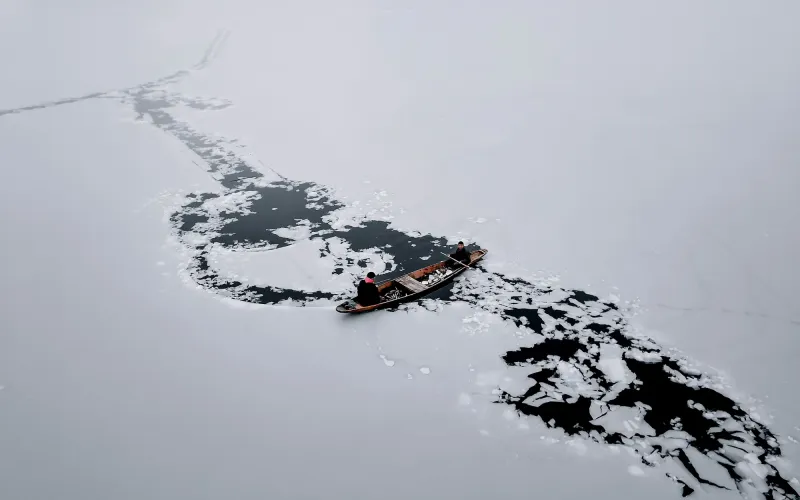
• **Heating in Winter:** If visiting between November and March, ensure your houseboat is equipped with electric blankets, room heaters, or traditional 'Bukhari' wood-burning stoves to keep bedrooms warm during sub-zero nights.

• **Meal Plan:** Opt for modified American plan (MAP - breakfast and dinner included) so you can enjoy freshly prepared homecooked Kashmiri Wazwan dinners directly in your floating dining room.

• **Power Backup:** Verify that your chosen houseboat operates a silent diesel generator or solar inverter backup system, as power cuts occur across mountain towns during peak winter months.

Houseboat verandas are also ideal spots for stargazing. Free from city streetlights, nocturnal mountain skies over Dal and Nigeen Lakes offer crisp views of constellations, shooting stars, and the Milky Way core reflecting softly off dark lake waters.

Visitors interested in Kashmiri architecture can study the traditional cedar carving motifs decorating houseboat archways. Local woodcarvers use chinar leaf patterns, iris flowers, grapes, and pinecone motifs passed down from Persian and Central Asian craftsmen who arrived in the valley during the 15th century.

When staying on a houseboat, take time to chat with your housemaster about the lake's seasonal life cycles—from winter snowfalls that blanket the cedar roofs to spring lotus harvests and summer tourist seasons.

Early morning shikara rides before sunrise allow photographers to capture quiet reflections of weeping willow trees and traditional wooden bridges before morning boat traffic creates water ripples.

In the evening, sitting on your houseboat porch watching dusk settle over the Zabarwan range while listening to lake water lapping against the cedar hull provides a peaceful escape from busy city life.

When staying on a houseboat during spring (April to May), the surrounding waters overflow with blooming water lilies and lotus flowers. The view of colorful floating blossoms framing the snow-capped Zabarwan mountain range is a photographer's dream.

In autumn (September to November), the chinar trees surrounding Dal Lake turn brilliant shades of crimson, gold, and deep amber. Watching sunset reflections over the calm water from your houseboat sun deck during autumn offers unprecedented serenity.

BACK TO JOURNAL

I want to explorestartingwithtravelers. Keep in touch at.

Call NowWhatsApp