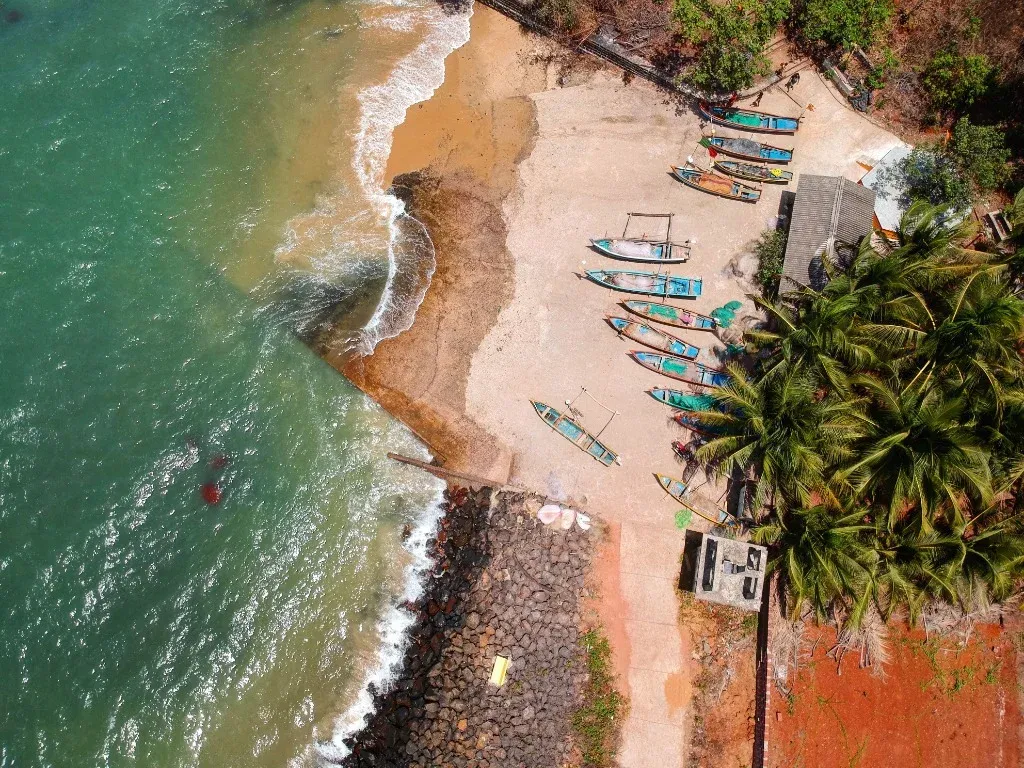

Goa is synonymous with golden sand beaches, swaying coconut palms, vibrant nightlife, and a laid-back Portuguese-influenced coastal lifestyle. While famous as a luxury resort paradise, Goa remains one of India's most rewarding destinations for budget travelers, students, and backpackers. With smart timing, strategic local transport choices, and an appetite for local Goan street food, you can experience the full magic of India's sun-drenched coast for a fraction of standard holiday costs. This ultimate 2026 budget guide reveals insider hacks for accommodations, transport, food, free heritage walks, and hidden beaches across North and South Goa.
1. Travel During Off-Season & Shoulder Months (May to October)
The peak tourist season in Goa spans from November to February, when dry sunny weather attracts holidaymakers from around the world. During this period, hotel tariffs, flight tickets, and bike rentals spike by up to 300%. To travel on a budget, target the shoulder months (September-October or March-April) when temperatures are pleasant, crowds are manageable, and resort rates drop drastically.
The monsoon season (June to August) offers the absolute lowest prices of the year. While sea swimming is prohibited due to high waves, monsoon Goa turns into a lush green wonderland. Waterfalls like Dudhsagar surge in full glory, spice plantations bloom, and luxury 4-star beach resorts offer rooms at up to 70% off standard winter prices.
Traveling during monsoon or shoulder months also allows you to enjoy famous tourist attractions without waiting in hours-long queues. Popular spots like Fort Aguada, Chapora Fort, and the Latin Quarter of Fontainhas offer peaceful photo opportunities framing lush palm groves against dramatic coastal skies.
2. Accommodation Hacks: Hostels, Portuguese Homestays & Guesthouses
Skip high-priced beach resorts and embrace Goa's vibrant backpacker hostel culture. Hostels in Arambol, Anjuna, Vagator, and Palolem offer clean, air-conditioned dorm beds starting from INR 450 to 900 per night, complete with swimming pools, co-working spaces, and communal kitchens.
If traveling in a group or as a couple, look for Portuguese-style family homestays in quiet villages like Saligao, Assagao, or Siolim. Booking directly with local families often includes homecooked Goan breakfast and personalized recommendations away from tourist traps.
For long-term budget stays (2 weeks or more), consider renting a private studio apartment or village cottage in South Goa near Agonda or Benaulim. Monthly rentals can cost as low as INR 12,000 to 18,000, including basic kitchen amenities and high-speed Wi-Fi.
Cruising down Goa's palm-fringed lanes on a rented scooter with the warm ocean breeze in your face is the true, budget-friendly essence of coastal life.
3. Transport Solutions: Scooter Rentals & Kadamba Buses
Tourist taxis in Goa operate without meters and are notorious for steep fares (often charging INR 1,000 to 1,500 for a short 15 km ride). To avoid taxi stress, rent a scooter or gearless scooter immediately upon arrival. Rentals range from INR 300 to 500 per day (excluding fuel), giving you absolute freedom to explore secret beaches and interior villages.
For airport transfers from MOPA (GOX) or Dabolim (GOI), take the official Kadamba state electric AC shuttle buses. They connect the airports to major towns like Panaji, Mapusa, and Margao for just INR 150 to 250, saving you thousands compared to private taxis.
When renting a scooter, always wear a helmet (both driver and pillion rider are legally required to wear one), inspect the vehicle for existing scratches, carry a valid driving license, and strictly obey speed limits along coastal highways to avoid traffic fines.
4. Culinary Delights: Beach Shacks, Thalis & Local Bakeries
Fine-dining coastal restaurants can quickly drain your budget. Instead, eat like a local! Head to small village eateries and order a traditional Goan Fish Curry Rice Thali (typically priced between INR 150 and 250), featuring fresh catch of the day, kokum curry (Sol Kadi), rice, and vegetable side dishes.
In the evenings, sample Goan street food like Ros Omelette (spiced omelette drenched in rich chicken or chickpea gravy) sold from local food carts ('Gaddas') in Panaji and Mapusa. For breakfast, visit neighborhood traditional bakeries ('Poderias') for hot Poi bread stuffed with cheese or spicy sausage.
Don't miss sampling Bebinca (a traditional 7-layer Goan dessert made from coconut milk, ghee, and egg yolks) at local bakeries, paired with hot filter coffee or fresh coconut water straight from local roadside vendors.
5. Free & Low-Cost Sightseeing: Heritage Forts & Latin Quarters
Goa's rich colonial history offers incredible attractions that cost next to nothing to explore. Perched on cliffs overlooking the Arabian Sea, historic forts like Chapora Fort (famous from the movie 'Dil Chahta Hai'), Aguada Fort, and Cabo de Rama Fort offer panoramic sunset views completely free of charge.
In Panaji, wander through Fontainhas—Asia's largest surviving Latin Quarter. Walking along its narrow cobble-stone streets lined with brightly painted yellow, blue, and green Portuguese houses with red-tiled roofs feels like stepping straight into Europe.
Visit Old Goa (Velha Goa) to explore UNESCO World Heritage sites including the Basilica of Bom Jesus (housing the sacred mortal remains of St. Francis Xavier) and the grand Se Cathedral, featuring stunning Iberian-Manueline architecture and intricate gold altars.
6. Secret Offbeat Beaches in North & South Goa
Bypass crowded commercial beaches like Baga and Calangute in favor of tranquil coastal stretches. In North Goa, head up to Mandrem, Ashwem, or Querim (Keri) Beach for quiet sands and serene sunsets. In South Goa, explore Kakolem Beach (Tiger Beach), a secluded cove accessible via a short jungle trek, or Butterfly Beach near Agonda.
At Querim Beach, you can watch the Tiracol River meet the Arabian Sea and take a short river ferry across to Fort Tiracol, a quiet heritage fort turned boutique retreat that offers breathtaking ocean panoramas.
Galjibaga Beach in far South Goa is one of India's protected nesting grounds for Olive Ridley sea turtles. Visiting early in the morning lets you enjoy pristine golden sands enveloped by thick pine trees with zero commercial noise or beach shacks.
To explore customized coastal itineraries, check out our dedicated [Goa Tour Package](/packages/goa-tour-package).
7. North Goa vs South Goa: Which Budget Region Suits You?
Choosing where to stay in Goa impacts both your daily budget and travel style. North Goa (Anjuna, Vagator, Arambol) is the energetic hub for backpackers, featuring flea markets, live acoustic music sessions, cliffside sunset spots, and shared hostel dorms starting at INR 500/night.
South Goa (Palolem, Agonda, Benaulim), on the other hand, appeals to nature lovers, couples, and peace seekers. While high-end luxury resorts dominate South Goa's beachfronts, village guesthouses and bamboo beach huts located 200 meters inland offer peaceful lodging at budget rates (INR 1,200 to 1,800/night).
If you plan to visit both regions, split your stay: spend 3 days in North Goa for nightlife and heritage exploration, followed by 3 days in South Goa for pristine beaches and coastal relaxation. Taking the local Kadamba bus between Panaji and Margao costs just INR 40, keeping inter-region transport virtually free.
Budget travelers looking for an artistic vibe should visit Arambol's famous Sunset Drum Circle, where musicians and travelers gather on the sand every evening to play music, practice yoga, and celebrate the setting sun without spending a rupee.
8. 5-Day Master Budget Itinerary & Daily Expense Breakdown
Here is a proven 5-day budget breakdown for a solo traveler or couple seeking maximum fun under INR 7,500 total per person (excluding flights):
• **Day 1: Arrival & Panaji Heritage Walk.** Land at MOPA/Dabolim, take Kadamba bus to Panaji (INR 200), check into hostel, walk through Fontainhas, dinner Ros Omelette (INR 100).
• **Day 2: North Coast & Chapora Sunset.** Rent scooter (INR 350), ride to Vagator & Anjuna, lunch Fish Curry Thali (INR 200), sunset at Chapora Fort, evening acoustic night at Arambol (INR 300).
• **Day 3: Portuguese Forts & Spice Plantations.** Ride to Fort Aguada (INR 50 entry), visit Se Cathedral & Old Goa (Free), lunch street thali (INR 180), evening beach walk at Mandrem.
• **Day 4: South Goa Transition & Palolem Beach.** Kadamba bus to Margao & Palolem (INR 80), check into beach homestay, kayak in Palolem bay (INR 300), fresh seafood shack dinner (INR 450).
• **Day 5: Cabo de Rama Fort & Departure.** Scooter to Cabo de Rama cliff viewpoint (Free), lunch at local bakery Poi bread (INR 120), Kadamba airport shuttle back (INR 200).
By keeping food choices local and taking public shuttle buses, you can enjoy an unforgettable 5-day coastal vacation while keeping your bank account completely intact.
When planning a budget trip to Goa, managing your daily food expenses is essential. Sampling local street food delicacies like Mirchi Bhajji (spiced fried chili fritters), Cutlet Pao (spiced beef or chicken cutlet inside soft Goan poi bread), and Chouriço Pao (spiced Goan pork sausage bread) from roadside carts in Panaji and Margao offers incredible taste for less than INR 80 per serving.
Additionally, drinking water expenses can add up over a week. Rather than purchasing plastic bottles at every beach shack, carry a insulated stainless steel flask and refill it at your hostel or guesthouse filtered water station to save money and keep Goa's coastlines clean.
MistyCurves